

Therapy for burnout that has its roots in early relationships
If you've rested, slowed down and tried to make changes, but still feel exhausted, there may be more to your burnout than your workload. Sometimes, the way we cope with life has roots in much earlier experiences. Patterns that once helped us get by can become hard to step away from, even when they're leaving us feeling drained.
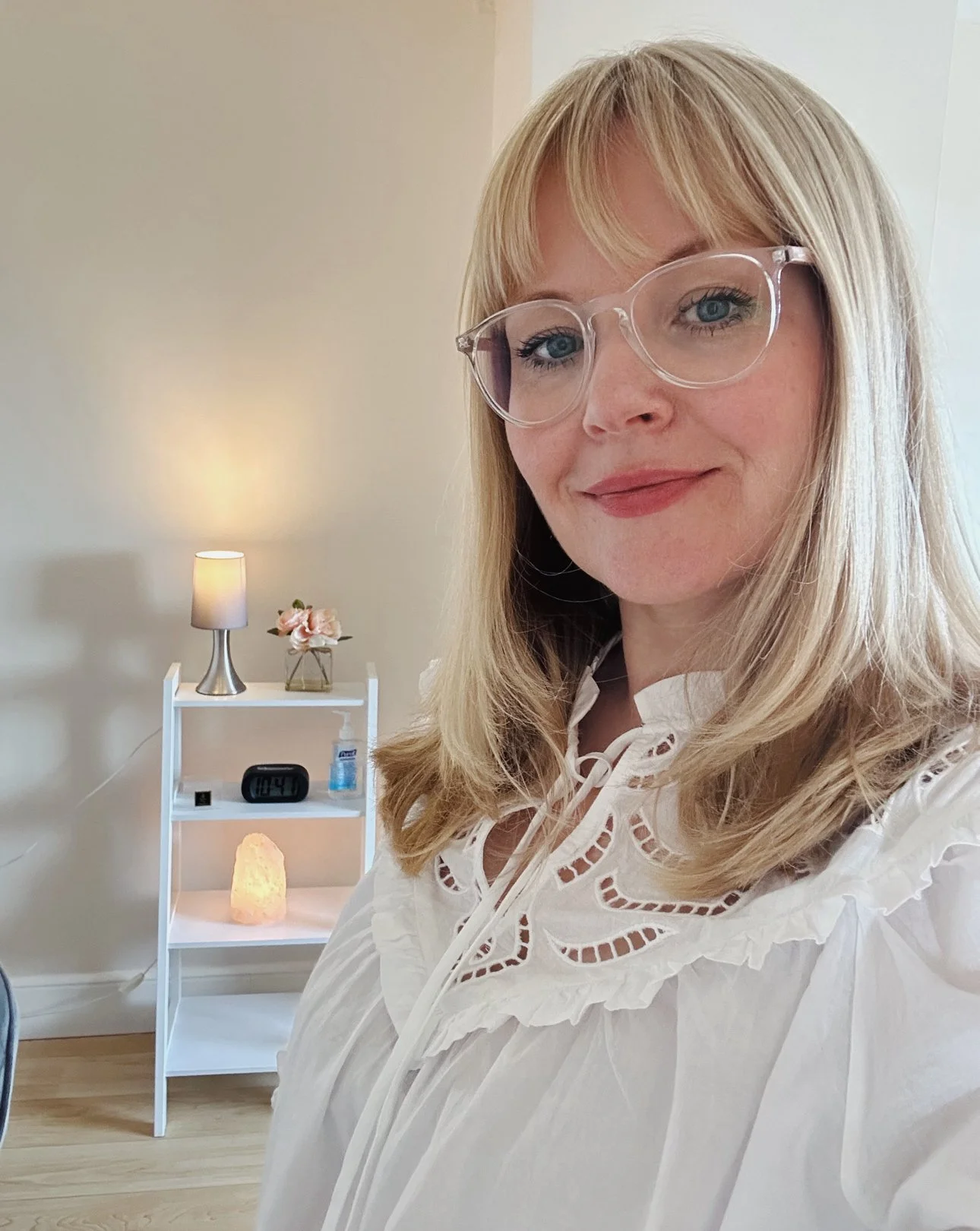
I'm Iga Sielenko, a BACP-registered Integrative Therapist. I offer trauma-informed, attachment-focused therapy for adults experiencing burnout, anxiety and survival mode, online via Zoom across the UK and in person in Bexhill-on-Sea
What burnout can feel like
The World Health Organization describes burnout as an occupational phenomenon, linked to chronic workplace stress that hasn't been successfully managed. It is not a medical diagnosis. In everyday life, many people use the word for a wider kind of exhaustion, and in therapy I'm interested in the whole picture, not only the job. You might notice:
Tiredness that sleep and time off don't fix.
Feeling numb, flat or detached from things you used to enjoy.
Trouble concentrating, and a sense that nothing you do is enough.
Anxiety, irritability or a body that feels permanently on edge.
Guilt when you rest.
When burnout is connected to early relationships
Some signs that it may be about more than workload:
It returns however much you change your job, your schedule or your commitments.
You learned early on to be the capable, helpful or peacekeeping one, and you still are.
You find it hard to say no, to ask for help or to put yourself first.
People, even people you love, leave you drained.
Your body stays on alert, even when nothing is wrong.
You have spent years masking, adapting or holding yourself together.
You sense this started a long time ago.
By early relationships, I mean the relationships that shaped how you learned to cope: family, caregivers, school, and any place where it did or didn't feel safe to need something, say no or be yourself. Sometimes that includes relational trauma, which is the lasting impact of experiences within relationships. These patterns formed for good reasons. Looking at them isn't about blaming anyone. It's about understanding why you cope the way you do, and what it costs you now.
How I work
My approach is integrative, relational and trauma-informed, with attachment at its centre.
Attachment-focused work. We explore how early relationships may shape the way you connect, ask for support, set boundaries and cope today.
Parts work (IFS-informed). Many people have a part that keeps going, a part that keeps the peace and a part that is exhausted. We get to know each of them with curiosity.
Nervous system awareness. Burnout is felt in the body as well as the mind. We notice what overwhelm and safety feel like for you, and find ways to regulate and rest.
The relationship between us. The therapy room is a place to notice how you relate and to practise saying what you need, at your own pace.
I won't give you advice or tell you what to do. I work with you, not on you, so that you can understand what's happening and decide what fits your life. You don't need the right words to begin.
Questions people ask
Is burnout caused by early experiences? Not always. Burnout often has several causes, including workload, the work environment and life circumstances. In my work I often see it connected to patterns formed in early relationships, and we look at the whole picture together.
What do you mean by early relationships? The relationships that shaped how you learned to cope, such as family, caregivers and school. We only go as far into that as feels useful and manageable, and you set the pace.
Will I have to talk about my childhood? Only as much as feels useful for you. There's no pressure to share anything you are not comfortable with.
Do I need a diagnosis of burnout? No. Burnout isn't a medical diagnosis, and you don't need one to ask for support. If you're worried about your physical health or mood, it's also worth speaking to your GP.
Is burnout the same as depression? They can look similar and sometimes overlap. I wrote about the differences in signs of burnout that may be confused with depression.
Can I have therapy while still working or caring for others? Yes. Many people do. We can talk about what's realistic for you when we speak.
How do I get started? Book a free 15-minute call by Zoom or phone. We'll talk about what's bringing you here and see whether working together feels right.
If you recognise yourself here
You don't have to wait until you've hit a wall. Book a free 15-minute call. There's no obligation to continue afterwards.
If you need urgent help, please see my crisis information page.